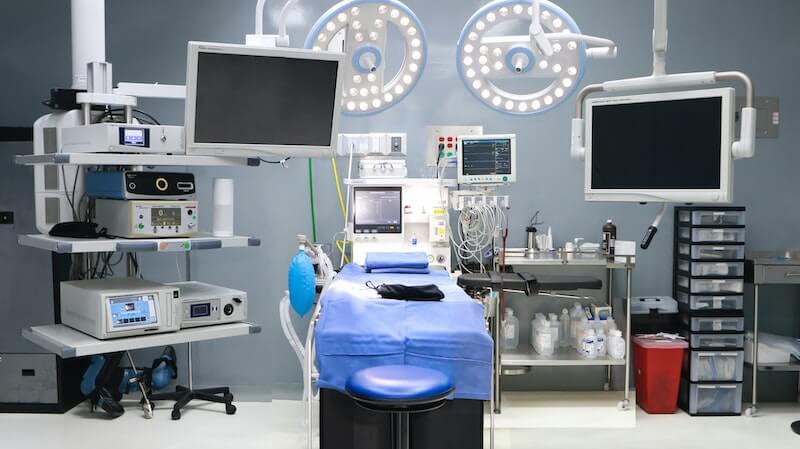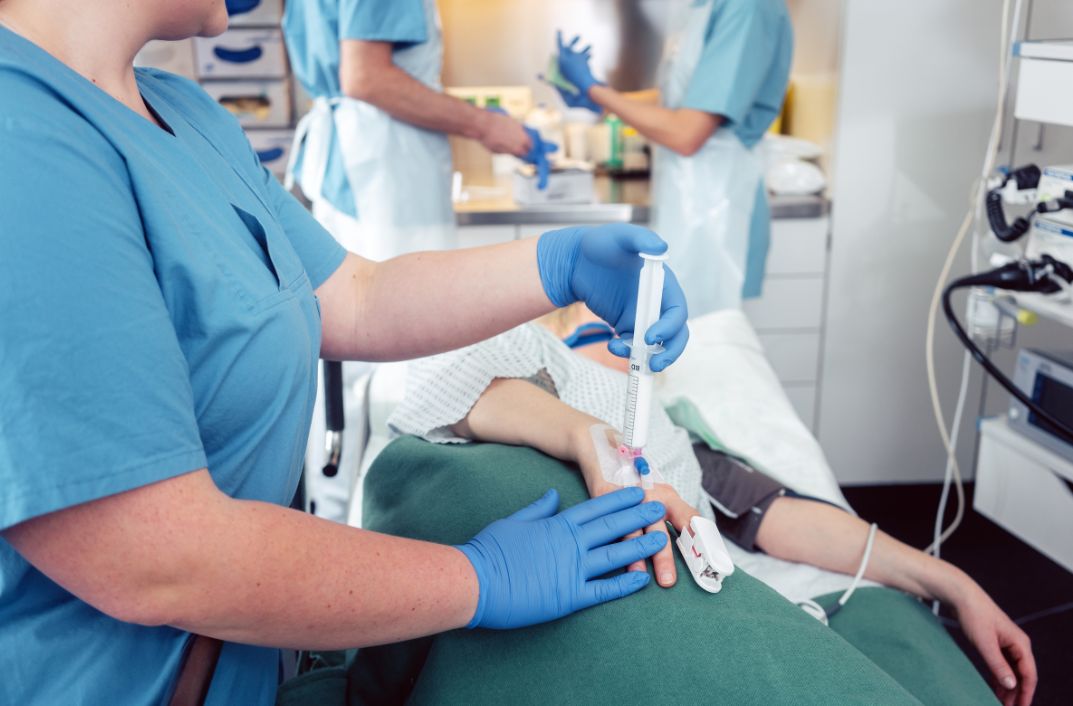
I remember one stressful case of a patient who was septic, and suffering a post partum haemorrhage. After induction of anesthesia, the patient’s blood pressure dropped precipitously requiring large doses of inotropes. She developed a rash and bronchospasm signifying likely anaphylaxis. How could this unlucky patient have so many complications? We stepped into crisis mode […]
Category Archives: Clinical Anaesthesia
You induce a 60yo male for an aorto-bifemoral bypass with severe leg claudication. He has the expected past history of ischaemic heart disease (STEMI 5 years ago – stents + medical management), diabetes, hypertension, and was a 20-pack year ex-smoker. After a reasonably stable induction, his blood pressure continues to need vasopressor. You administer escalating […]
Definition Hypokalaemia simply means low blood potassium (K+). Mild hypokalaemia refers to a serum potassium concentration of under 3.5mmol/L Severe hypokalaemia indicates less than 2.5mmol/L of potassium in the blood. Potassium is split between intracellular (98%, ~150mmol/L K+ concentration) and extracellular (2%, ~4-5mmol/L concentration) compartments. Potassium ions are the main intracellular cation and carry an […]
Imagine it’s your first month in anaesthesia. 30mins into an elective laparoscopic cholecystectomy your consultant goes for a tea break and leaves you in theatre alone with the patient. The patient’s saturations suddenly fall to 90% just as the BP comes back at 70/30! What do you do? This is obviously a challenging situation for […]
Why do we do what we do and why that makes us a big deal There is probably less known about anaesthesia than most other medical specialties. There are many reasons for this. Anaesthesia is quite a new medical specialty. Australia had its first full time anaesthetist in 1909, in 1952 the royal Australasian college […]
The other side of the blood brain barrier When I first began anaesthesia training, I found it very daunting and often stressful to have any kind of conversation the surgeon. This was made even more difficult the more senior they were. Why is it difficult? There are many reasons for this. Talking to any stranger […]
When you first arrive in theatre it is reasonably rare that everything isn’t ready for the fist patient to be induced. Engineering has performed their complicated checks on the machine, and the nurses have a very thorough system by which all the most important equipment and medications for safe anaesthesia have already been checked and […]
What’s so special about anaesthesia meds? Anaesthesia medications are some of the most effective and deadly medications available for human consumption. Fortunately when used by an anaesthetist, they are remarkable safe and effective. Through the 5 years of formal anaesthesia training you end up using a unique group of medications on a daily basis and […]
What is the preoperative assessment and what is its purpose? A consultation performed by an anaesthetist prior to administration of anaesthesia. The aim of the pre-operative consult is to minimize perioperative mortality & morbidity and prevent last minute unplanned cancellation through proper assessment and decision-making. To do this we assess with a history, examination and […]
I highly recommend keeping an Anaesthesia logbook! Why? You are able to keep track of all your experience You are able to keep track of your stats/efficacy This will allow you to categorically state how many cases you have done – – which is concrete evidence of experience, self audit and improvement whenever you are […]