Category Archives: Clinical Anaesthesia

ABG interpretation

By Dr Jessica It is important to interpret arterial blood gases in a systematic manner, taken within the context of the patient’s clinical context. Steps: PaO2 (partial pressure of oxygen in arterial blood) pH PaCO2 (partial pressure of carbon dioxide in arterial blood) Bicarbonate and base excess Oxygenation: PaO2 Is the patient hypoxaemic? PaO2 = […]

Chronic Kidney Disease and Anaesthesia

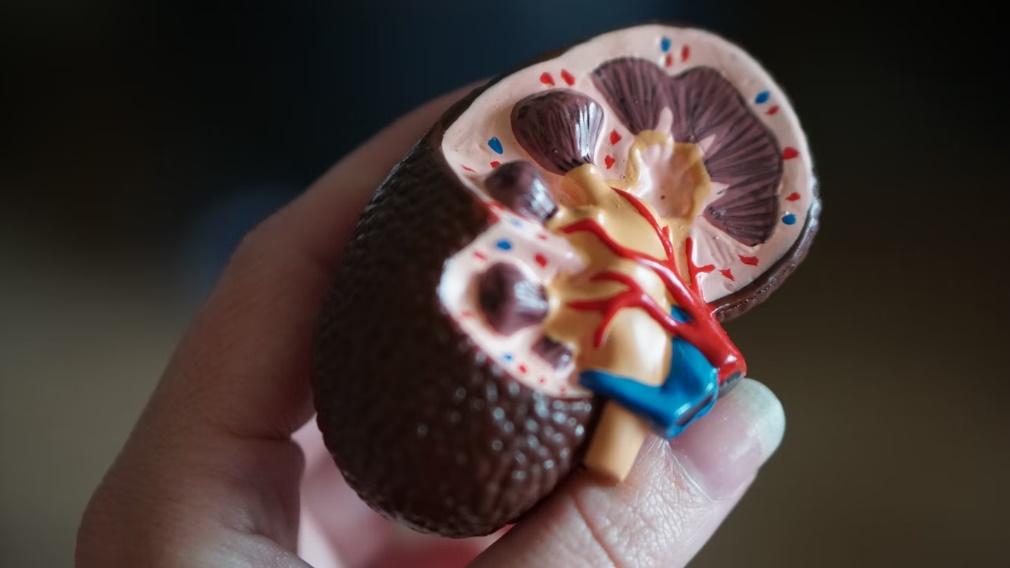
A summary of this fantastic BJA education article: https://www.clinicalkey.com.au/#!/content/playContent/1-s2.0-S2058534922000506             Epidemiology Most common causes of CKD are diabetes and hypertension What is the definition of CKD? CKD definition: abnormality of kidney structure or function > 3 months (Renal Association) Electrolyte abnormalities, proteinuria (ACR > 3), haematuria of renal origin, histological/radiological […]

Anaesthesia Without An Anaesthetist?!

By Dr Angus Hayes About the author Dr Angus Hayes is an Australian ICU registrar who recently spent time in Norway observing anaesthetic protocols and practices. In this article he examines recently published data, to compare Australian anaesthetic norms against those seen in Norway. I walk into the OT…*BEEP* *BEEP* *BEEP*. The scents and sounds […]

Optimal Patient Positioning for intubation and airway management

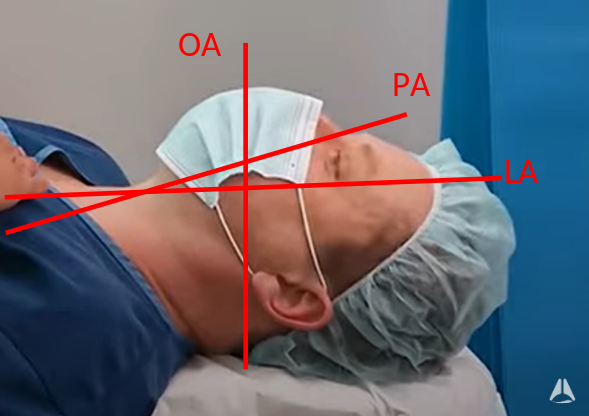
By Dr. Harrison Whiting   Have you ever had difficulty trying to ventilate a patient with a BMV or been unable to visualise a patient’s vocal cords prior to intubation? What are some manoeuvres that you can do to try and optimise your ability to ventilate a patient?   Sniffing Position The sniffing position is […]

Hypernatremia – where salt goes water follows

by Adam George Definition Hypernatremia refers to a high blood sodium concentration. Hypernatremia can be classified as follows: Acute (<48 hours) or Chronic (>48 hours) Mild (146-149 mmol/L) Moderate (150-169 mmol/L) Severe (>170 mmol/L) Sodium concentration is dependent not only on sodium levels but also on water levels in vivo. Water in the body exists […]

Your next case is a 66-year-old with coronary artery disease booked for a bowel resection: will you still use nitrous oxide?

The ENIGMA-II trial by Dr. Matthew Vella @mjv.igee #Anaesthesia #anaesthetics #anesthesiology #anesthesia #anesthetic #abcsofanaesthesia #medicine #anesthesiologist #anaesthetist #anesthetist #anaesthesiology #nurse #medical #meded #FOAMed #medicalstudent #ENIGMAtrial # ENIGMA2trial #safety #generalanaesthesia #GA #Nitrousoxide #N2O #Gas #MajorSurgery #cardiacriskfactors Title: The safety of addition of nitrous oxide to general anaesthesia in at-risk patients having major non-cardiac surgery (ENIGMA-II): a […]

What is hyperkalaemia and why is it important?

Definition Hyperkalaemia refers to a state of high serum potassium (K+), typically > 5.5 mmol/L. Potassium is split between intracellular (98%, ~150 mmol/L K+ concentration) and extracellular (2%, ~4-5 mmol/L concentration) compartments. Potassium ions are the main intracellular cation and carry an electrical charge. They establish an electrochemical gradient across the cell membrane known as […]

You never regret an arterial line

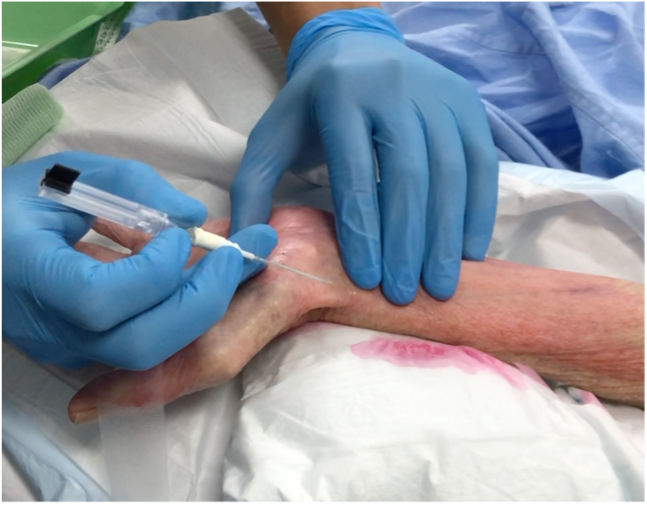
Imagine you arrive at your morning urology list with 7 cystoscopy cases. Your 1st patient is a 60yo male for a rigid cystoscopy. He has a drug eluting stent from an AMI 5 years ago and has functionally declined since. He is 120kg with the usual collection of diabetes, hypertension and hypercholesterolaemia with no previous […]