Category Archives: Introductory Training

How to talk to the patient in 8/10 pain

By Dr Zahin It’s 4:30pm on a Friday afternoon. You still haven’t finished your notes from clinic, there are scripts waiting to be signed, and you’re hoping to get through it all before handover. But your pager goes off: “Please review Mrs Smith in bed 16, complaining of 8/10 pain.” Mrs Smith has been in […]

Pre-operative Anaesthesia Assessment: Approach for Junior Trainees

By Toby Thomas, Zheng Cheng Zhu   Purpose of the pre-anaesthetic assessment: Identify patients who have increased peri-operative risk; Diagnose, assess, and optimise patient comorbidities to minimise peri-operative risk; Plan and prepare for the patient’s perioperative journey; Encourage patient-centred discussion regarding risk and benefit of surgery and to reach a decision on whether to proceed […]

The Physiologically Difficult Airway: considerations beyond anatomy

By Zheng Cheng Zhu Key reference: Karamchandani et al. (2024). Tracheal intubation in critically ill adults with a physiologically difficult airway. An international Delphi study. Intensive care medicine, 50(10), 1563–1579. https://doi.org/10.1007/s00134-024-07578-2 Quick Summary The “physiologically difficult airway” (PDA) was first coined by Mosier et al. in 2015, filling a conceptual gap in the management of […]

The subtle sounds of the operating theatre!

A brief introduction to the critical signals beyond what you can see Most anaesthetists probably remember the first time they heard the ‘death spiral’. This is a colloquial term used for the lowering pitch of the pulse oximeter tone as the oxygen levels fall. Once learnt, it becomes an unforgettable and daily part of your […]

How to get started with regional anaesthesia

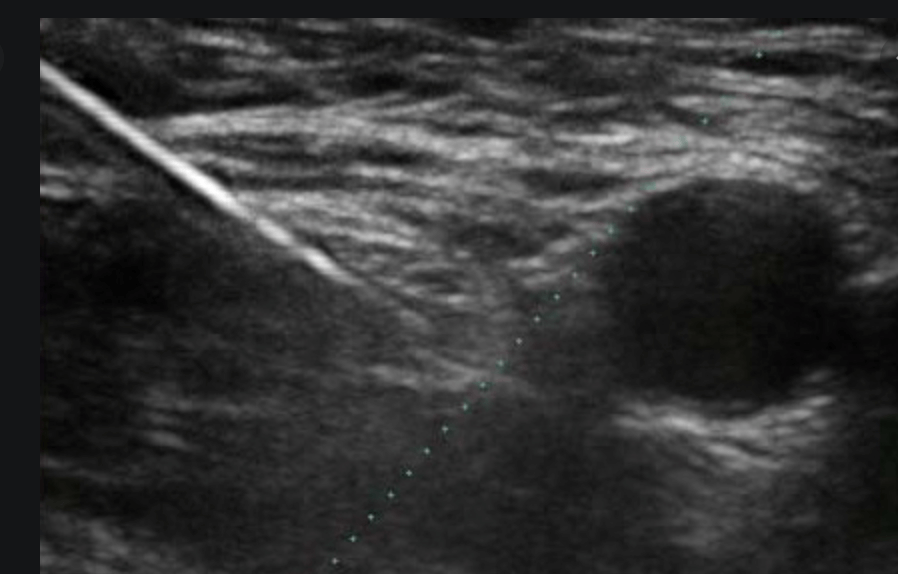
How to increase your learning curve when there are limited learning opportunities It seems that regional anaesthesia is somewhat past its heyday.  Many hospitals have adopted other techniques for pain management in operations that were once common practice grounds for regional, hospitals don’t have the systems set up to facilitate fast turnover and having sufficient time for […]

How risky is surgery?

Surgery is such a complex field with immense variability in every patient. The ACS NSQIP risk calculator is an incredibly useful resource to help understand the surgical risk https://riskcalculator.facs.org is an exceptional resource to provide reasonably accurate and patient specific risk information to help guide your perioperative decision making. This calculator uses a series of […]

Trust the process…

Whether you are a medical student just starting on your anaesthesia journey or an experienced specialist, focus more on a diligent, mindful process rather than the outcome. I was recently supervising an exceptional trainee. He did everything right to make the most from our operative list together. He texted me the night before with things […]