Author Archives: Majic Sites

Presenting a case to a consultant

Presenting a case to a consultant pre-op as a medical student or junior doctor can be a difficult and nerve-racking task, especially if you don’t have a good structure. The most important aspect is to be able to first convey the dominant patient issues succinctly whilst the extended details can be provided afterwards if necessary. […]
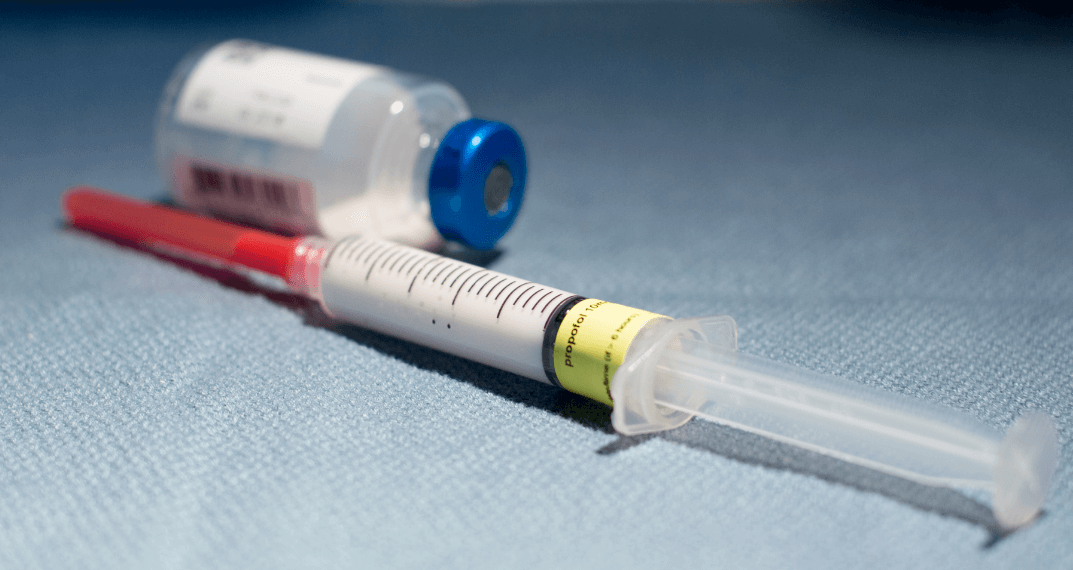
Is our every-day “milk of amnesia” really safe? Review of recent meta-analysis on propofol and associated mortality

By Zheng Cheng Zhu Quick Summary Propofol (2,6-diisopropylphenol) is one of the most widely-used hypnotic agents in critical care departments worldwide, owing to its rapid and predictable onset/offset, favourable safety profile and low adverse effect rates. However, emerging evidence suggests an association between propofol used in operative and ICU settings and increased mortality. Most recent […]

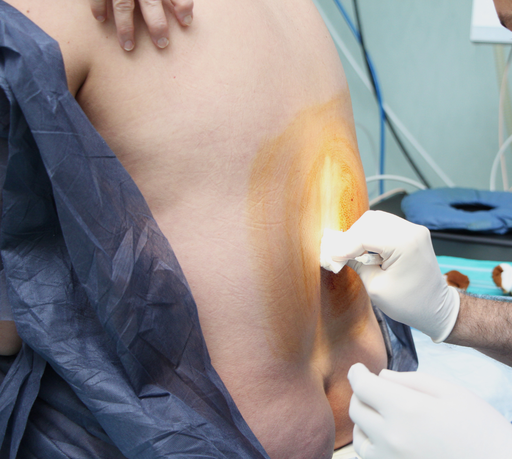
Performing Spinal Anaesthesia for Caesarean Sections

What should I know? Basic Anatomy In the adult, the spinal cord ends at the level of L1-2 Spinal anaesthesia/lumbar puncture aims to insert the spinal needle into the subarachnoid space Spinal needles will have to go through several layers skin—subcutaneous tissue—supraspinous ligament—interspinous ligament—ligamentum flavum – epidural space—dura mater—subarachnoid space Spinal anaesthesia for caesarean sections […]

Compensation in acid-base disturbances

By Dr Garzarella Metabolic acidosis Expected pCO2 = 1.5 × [HCO3] +8 ±2 Metabolic alkalosis Expected pCO2 = 0.7 × [HCO3] +20 ±5 Mechanism In metabolic acid-base disturbances, chemoreceptors sense an abnormal pH and stimulate the respiratory centre to increase or decrease ventilation to compensate Example 1. 62F presents to the emergency department with peritonitis […]

Non-technical skills in cardiac arrests: a brief practical summary

Cardiac arrests are associated with significant mortality and are often unexpected and extremely stressful for the practitioners involved. Cardiopulmonary resuscitation is arguably one of the most important skills for medical practioners. Previous research has shown that the non-technical skills of the team leader is directly related to technical performance of the team, particularly under stressful […]

Arterial Tourniquet Use During Anaesthesia

Definition of Tourniquet: a constricting or compressing device used to control venous and arterial circulation to an extremity for a particular duration. Tourniquets are commonly used during limb surgeries (particularly in plastic and orthopaedic surgery) to limit blood loss and optimise surgical conditions. The application of a tourniquet results in physiological changes which, although mostly […]

Bradycardias During Anaesthesia

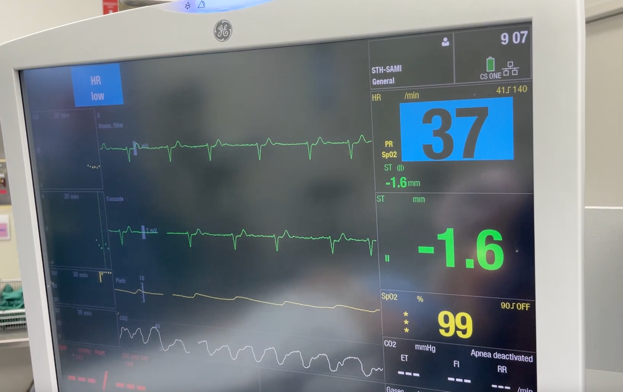
Bradycardia is defined as a heart rate below 60bpm and occurs commonly under anaesthesia. Although most bradycardias are benign, they have the potential to cause haemodynamic compromise and progress to asystole/cardiac arrest. Being able to predict when a bradycardia may occur, as well as understanding the underlying cause, is pivotal to early and successful treatment. […]

Haemodynamic Effects of Propofol

An 80kg 50yo male enters theatre directly from the emergency department for an urgent laparotomy. He has been involved in a motor vehicle accident and is thought to have lost up to 4L of blood. Despite valiant efforts at resuscitation, you know that he is still significantly unstable and under volume.         […]

Hypercalcaemia

By Adam George                         Definition Hypercalcaemia indicates a total serum calcium (Ca) concentration corrected for albumin of >2.6 mmol/L. hypercalcaemia can loosely be stratified as follows: Mild/moderate (>2.6-2.9 mmol/L) Severe (>3.0 mmol/L) Approximately 99% of calcium in vivo is stored in bone as hydroxyapatite. […]